16,543 Words and $4,300: The Cost of Nevada's Statehood
In 1864, a two-day telegraph transmission secured Nevada's status just days before Lincoln's reelection, a move that shaped the state's political identity.
By Chloe Wilson ·
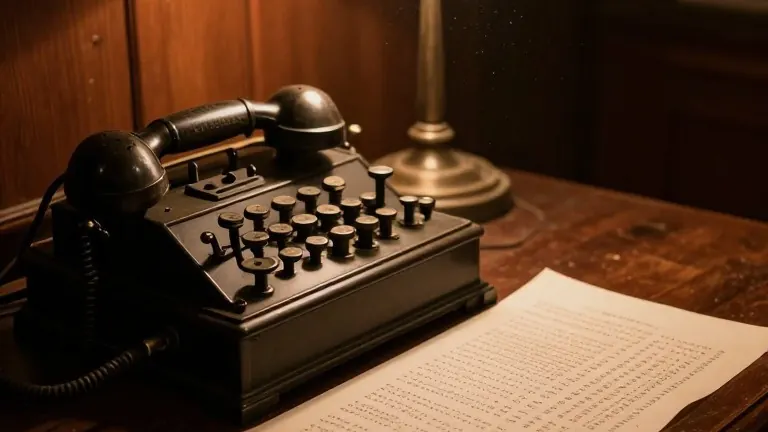
Nevada became a state because a telegraph operator could not wait for the mail. On October 26, 1864, Governor James W. Nye began transmitting the entire Nevada State Constitution to Washington via Morse code. Two prior attempts to deliver the document, one by overland mail and one by sea, had failed. The urgency stemmed from the need to secure a new state's electoral votes before President Abraham Lincoln faced reelection in a country divided by civil war.
The transmission required precision and endurance. Carson City telegrapher James H. Guild worked seven hours to send the message to Salt Lake City. The signal then relayed through Chicago and Philadelphia before reaching the War Department's telegraph office in the District of Columbia. The final transcription comprised 175 pages. The total cost of the wire service exceeded $4,300, equivalent to approximately $90,000 in current dollars.
Lincoln proclaimed Nevada the Union's newest state three days after the transmission ended. The timing proved critical for the president. One week later, roughly 60 percent of the new state's voters cast ballots in Lincoln's favor. While the Silver State did little to sway the final electoral college tally in 1864, its voters played a key role in ratifying the 13th Amendment the following year.
The 2026 election mirrors the political climate of 1864. The nation is currently at war, families are struggling, and racial tensions are high. A controversial leader occupies the White House as voters prepare to head to the polls. In 1864, Lincoln sought reelection with Republican majorities large enough to pass his legislative agenda. Nevada gained statehood largely to support that specific agenda.
The state's origin story has defined its modern political role. Nevada has become a swing state in recent decades. Its early nominating contest can help sway presidential elections. The rush to secure statehood in 1864 appears providential for a state that now holds the balance of power in national races. The telegraph message that cost nearly $90,000 in modern value secured a place in the electoral map that remains relevant today.