Nurses advise skipping flowers for patients
Local healthcare workers and recovering residents suggest practical items like socks and food over traditional bouquets for hospital visits.
By Julian Reed ·
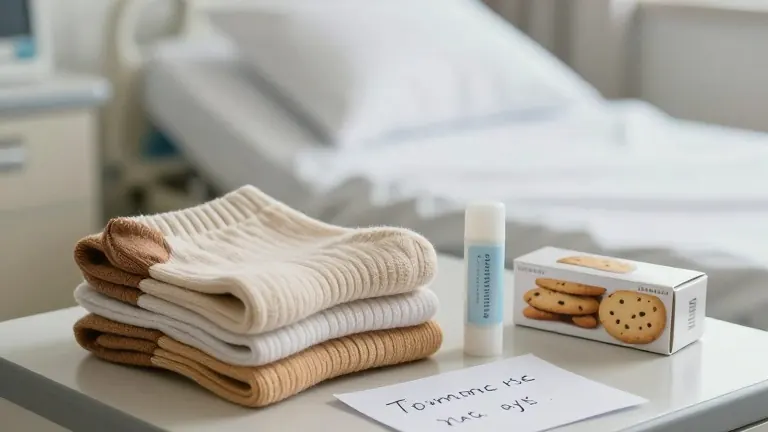
Hospital staff in Westchester County recommend that visitors send warm socks, lip balm, and food items rather than flowers when a neighbor or coworker is admitted to care. Nurses report that floral arrangements are often prohibited in intensive care and oncology units due to hygiene concerns and potential allergies. When allowed, strong scents can disturb other patients sharing the room. A preliminary phone call to the nursing station can prevent a gift from being returned at the front desk.
The advice comes from direct experience with patient recovery. One local resident, whose mother spent six days in the hospital last spring, noted that practical items provide immediate comfort. Hospitals maintain low temperatures, making warm socks a top request. Patients also frequently request lip balm and hand cream to combat the drying effects of recycled air. Earplugs are highly valued because medical equipment and hallway noise persist throughout the night.
Food items serve a dual purpose for both the patient and the visitors. A nurse described an informal ranking of received gifts where socks and snacks ranked highest, while flowers ranked below parking validation. A box of fresh cookies can become a social event in a hospital room. Visiting relatives and night shift staff often share the treats, creating a positive moment during a difficult week. Patients tend to remember these small interactions long after they have forgotten any floral arrangements.
The needs of patients shift after discharge. Home recovery often involves a lack of proper cooking at home. The patient may be unable to prepare meals, and caregivers are often exhausted. Get well baskets containing muffins, tea, and shelf-stable treats require no refrigeration or preparation. Baked goods are particularly useful because they travel well and remain fresh on the counter for about a week. This is helpful because recovery appetites can be unpredictable, with patients often craving sweets in the afternoon and having little appetite at dinner.
Caregivers are frequently overlooked in the process of sending gifts. Husbands, daughters, and neighbors often spend weeks managing doctor appointments and school pickups. They are not technically sick, so they are often excluded from gift giving. However, they rely on cafeteria coffee and vending machine meals for extended periods. Sending a small basket addressed specifically to the caregiver, with a note indicating it is for them alone, can provide significant emotional support.
For older adults recovering alone, specific adjustments to the standard gift list are necessary. Puzzle books should have large print to accommodate vision changes. Baked goods should be soft, such as crumb cake rather than biscotti, to be easier to manage. Familiar flavors from their childhoods are often preferred over trendy items. A scheduled phone call should accompany the package, as a voice on the phone provides more comfort than a physical item for someone recovering in isolation. The weight of the package should also be considered, as someone using a walker may struggle to lift a heavy hamper.
Dietary restrictions must be confirmed before sending food. Surgery and medications often come with specific eating rules. A quick message to a family member can clarify what is allowed. Simple, plain baked goods are generally safe choices that fit more dietary restrictions than fancy snack assortments. Kosher certified options are widely available for households with those requirements.
The accompanying note should avoid standard greetings like get well soon. Specific, personal messages provide more comfort. Examples include mentioning that the whole street is rooting for the patient, noting that bingo night is different without them, or promising to bring dinner on a specific day. Signing the full name is important because patients on pain medication may forget which family member is which. Drawings from children are also encouraged, as they are often displayed on hospital walls.
Timing affects the impact of the gift. A small item sent in the first day or two acknowledges the admission. A second gift sent three weeks later is often more memorable because visitors have dried up by that point. Recovery at that stage can feel lonely and repetitive. An unexpected package three weeks after admission is often discussed by the patient for months. Setting a calendar reminder for this second gift is recommended to ensure it is not forgotten.
Source: Yonkers Times · original report published