Israel election leaves Netanyahu and Eisenkot without clear path to power
The 120-seat Knesset is fragmented, forcing leaders to form a 61-seat coalition or risk a fourth consecutive election within four years.
By Chloe Wilson ·
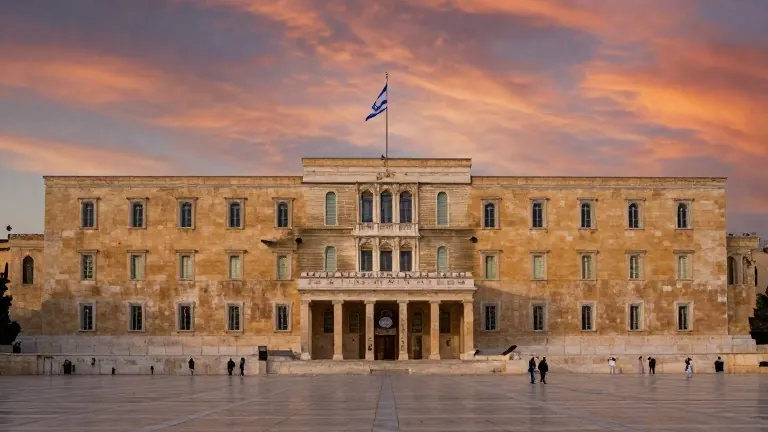
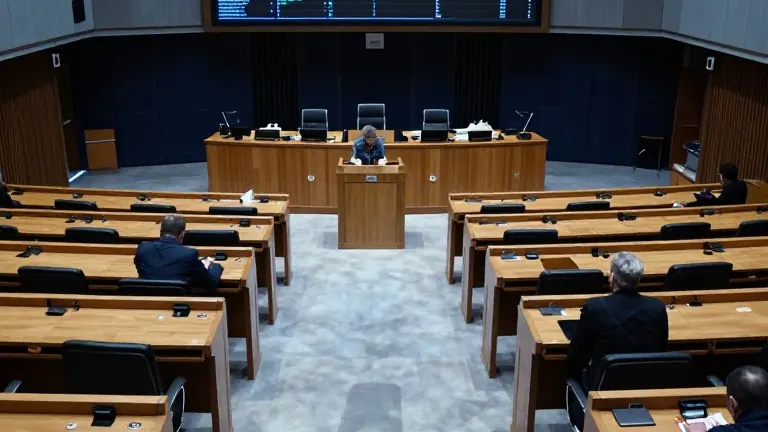
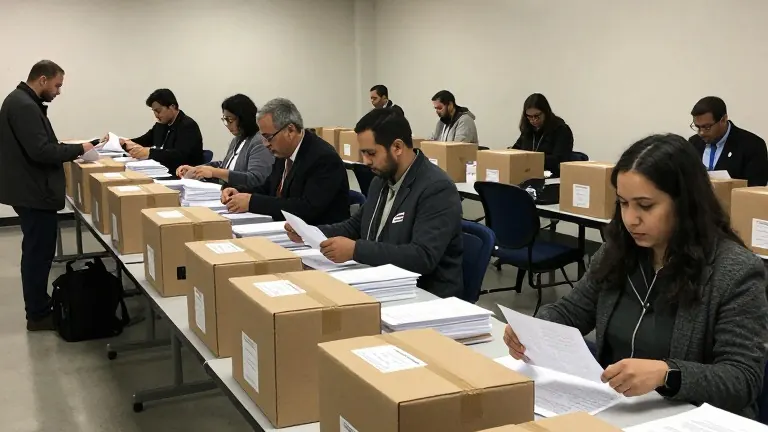
The outcome of Israel's recent election has left the country without a clear prime ministerial mandate, creating a complex political puzzle in the 120-member Knesset.
Neither Prime Minister Benjamin Netanyahu nor his main rival, former military chief Gadi Eisenkot, secured a majority. Both leaders must now negotiate with other party heads to assemble a 61-seat coalition. The process has been complicated by the historic performance of Arab-led parties, which won 19 seats and now hold the balance of power.
The most straightforward mathematical solution involves Eisenkot forming a coalition with these Arab parties. This alliance would produce a 67-seat majority against Netanyahu. However, Eisenkot faces intense resistance from his right-leaning allies who view a partnership with Arab parties as politically risky. Israel’s Arab citizens, comprising 20% of the population, have close ties to Palestinians in the West Bank and Gaza. Only once in history, in 2021, has an Arab party joined a governing coalition, and that government lasted approximately 18 months.
Netanyahu is currently framing any such alliance as a threat to Israel's Jewish identity and national security. This strategy aims to pressure Eisenkot's allies to reject the partnership, keeping the door open for an alternative arrangement.
A unity government remains a possible scenario where Netanyahu convinces Eisenkot and his allies to join his camp. This configuration would also yield a 67-seat majority, sending Arab-led, ultranationalist, and ultra-Orthodox factions to the opposition. Such a government could address issues like military exemptions for ultra-Orthodox citizens and economic stability. However, it would require Eisenkot to break his vow to avoid governing with Netanyahu, whom he blames for the security failures of the October 7, 2023 Hamas attack.
Netanyahu may also seek to poach defectors from the opposition bloc, specifically targeting right-wing leaders Naftali Bennett or Avigdor Lieberman. Both men support nationalist policies, including settlement expansion in the West Bank, which makes partnering with Arab parties difficult for them. They have previously clashed personally with Netanyahu and oppose the military exemptions that are a key demand of his ultra-Orthodox allies. Eisenkot has fewer options for poaching, as Netanyahu's Likud party and its far-right and ultra-Orthodox allies have shown fierce loyalty to the prime minister.
If neither side secures a majority, Israel will face another election, likely early next year, with Netanyahu remaining in a caretaker role until then. This outcome could disadvantage Eisenkot, whose campaign benefited from tens of thousands of Israelis traveling abroad to vote. Netanyahu would gain time to strengthen his coalition, particularly as smaller right-wing parties that failed to enter parliament may consolidate their support behind larger far-right factions. Israel experienced a similar stalemate in 2019, resulting in five elections over three and a half years.
Source: WKMG-TV