France Prepares for Major Nationwide Strikes as Tensions Rise
France prepares for nationwide strikes and demonstrations on Thursday, with authorities deploying 70,000 police officers as President Macron faces a new test of his leadership ahead of the presidential election.
By News Media House Staff ·
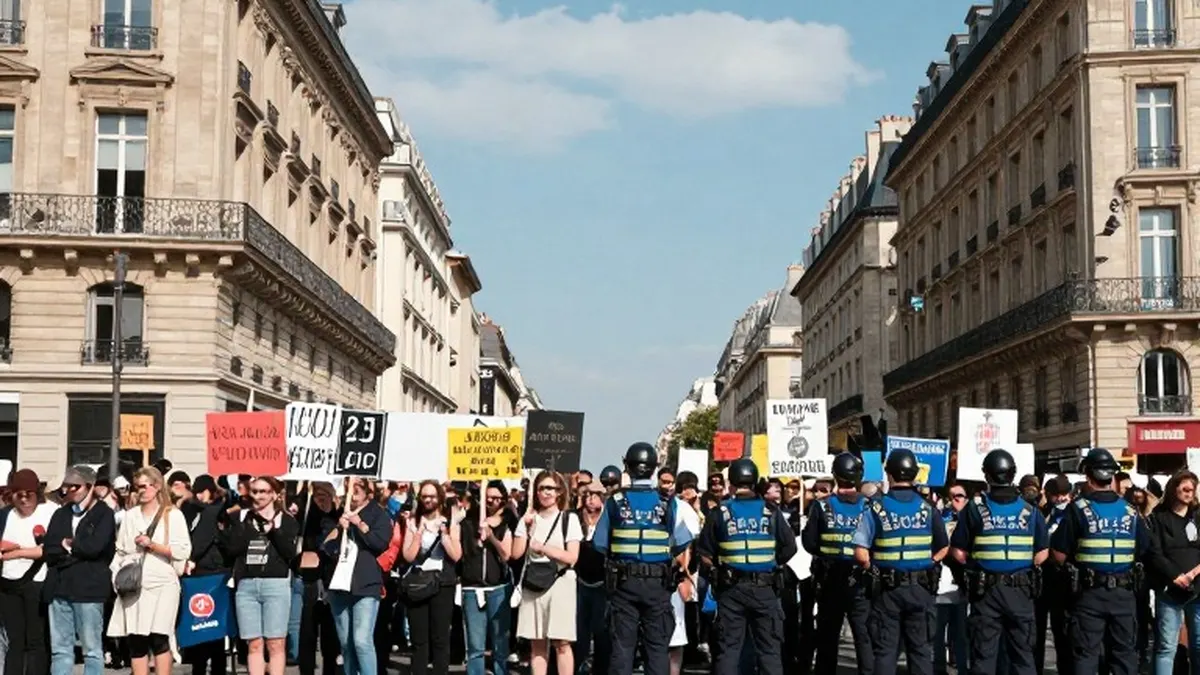
France is bracing for a new round of nationwide strikes and demonstrations scheduled for Thursday, November 5, 2026. This significant labor action serves as a critical test for President Emmanuel Macron’s policies, coming just five months before the next presidential election. Trade unions are urging the government to implement measures that support households struggling with rising living costs, following weeks of sustained social unrest across the country.
A Paris court approved an alternative protest route late on Wednesday, November 4. The route, proposed by the police prefecture, will connect Place de la République with Place de la Nation. This decision resolved a dispute with strike organizers who had contested the original plan. The inter-union coalition anticipates that between 500,000 and 700,000 people will participate in strikes outside of Paris. In the capital itself, estimates range from 40,000 to 80,000 attendees.
The current mobilization follows a period of demonstrations that were marked by violence and clashes with law enforcement, particularly during events on October 17. These incidents have fueled criticism of the government’s handling of the crisis. In response, various organizations, including the Magistrates’ Union, the French Lawyers’ Union, and the Human Rights League, have filed a complaint at France's top court. They have denounced what they describe as an "authoritarian shift" and alleged infringements on the freedom to demonstrate.
French authorities have taken steps to lower tensions after the riots and looting on October 17 caught security forces off guard. The unrest left shops and public buildings damaged across the country. Maud Bregeon, the government spokeswoman, stated at a press conference following Wednesday's cabinet meeting that the government is extremely vigilant. She emphasized that it is out of the question to relive the events of October 17.
Approximately 70,000 police officers have been deployed nationwide to manage the expected crowds. The domestic intelligence service expects a large turnout, consistent with the union estimates for areas outside the capital. President Macron convened a special defense and security meeting on Wednesday to prepare for the protests. This high-level gathering underscores the evolution of the movement, which began with student anger over deteriorating school conditions and concerns about opportunities for young people, into a broader challenge to the government.
Hundreds of thousands of protesters are expected to march through French cities, while public workers will join the strike. The mobilization is called by several trade unions, including the left-wing CGT, and is backed by student groups. This action follows earlier demonstrations focused on living costs, public services, and education, which triggered what many consider the worst civil unrest France has seen in years. The strikes have dominated the political agenda in recent weeks, rattling the government’s stability.
The situation highlights the growing pressure on Macron’s administration as it navigates economic challenges and social demands. With the presidential election approaching, the outcome of these strikes could have significant implications for his political standing. The government remains focused on maintaining order while addressing the core grievances of the protesters, who seek tangible improvements in their daily lives.
Originally published by News Media House · Source: France 24