Mexican tradition drives cultural tourism in U.S. markets
Day of the Dead remains a central pillar of Mexican identity, shaping artistic output and cross-border cultural exchange.
By Chloe Wilson ·
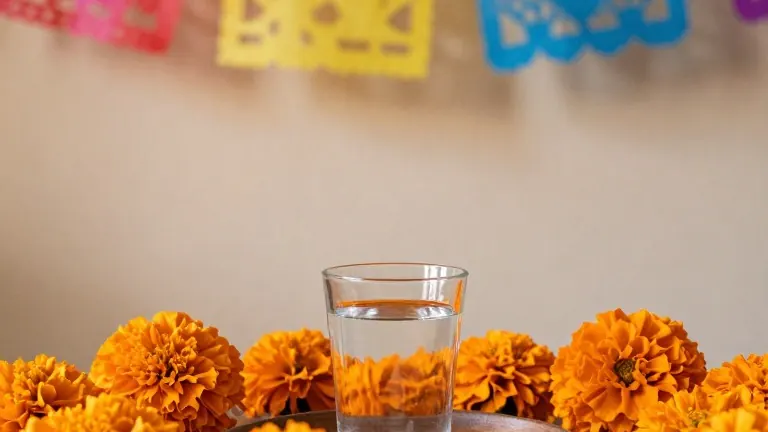
The Día de Muertos festival has established itself as one of the most emblematic celebrations in Mexico, serving as a primary vehicle for honoring deceased family members. The observance distinguishes itself from traditional mourning by emphasizing a rich cultural expression through specific symbolic elements.
Central to the tradition are altars stocked with items that carry distinct meanings. Cempasúchil flowers, whose Nahuatl name translates to twenty flowers, are placed along paths to guide spirits to family offerings using their bright color and scent. Families also arrange water to alleviate the thirst of the departed and salt to purify their journey.
Additional decorations include papel picado, whose vibrant colors represent the wind and the fragility of life. Sugar skulls, known as calaveritas, serve as a reminder of the inevitability of death while celebrating the continuity of life through collective memory.
The festivity has expanded beyond its geographic origins, inspiring contemporary artistic projects that explore these cultural roots. A recent short film, La distancia que nos une, examines the enduring nature of these traditions and the message that family bonds remain alive as long as the memory of loved ones persists.
This cultural phenomenon reinforces the festival's role as a touchstone for Mexican identity. The specific symbols and rituals continue to resonate with communities, ensuring the practice remains a vital part of the national heritage.
Source: WKTB-CD