Tesla Optimus Waitlist Tied to Robotics Summit
Despite Elon Musk's public denial, industry sources indicate the waitlist will launch around a robotics conference in San Mateo.
By Julian Reed ·
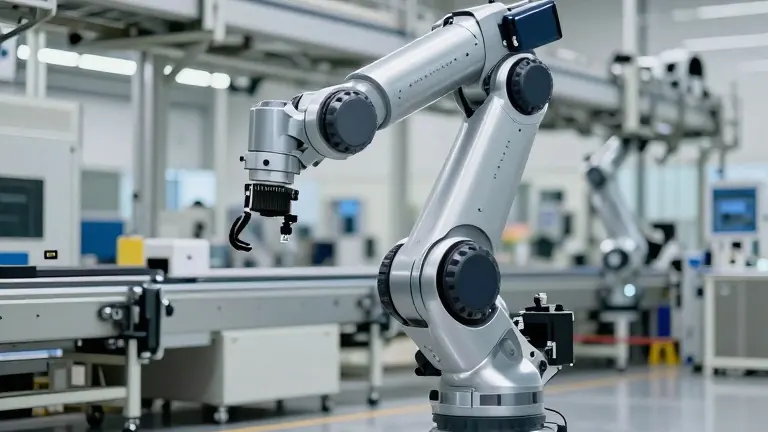
Tesla has positioned its humanoid robot program as a central pillar of its future revenue strategy. The company is expected to open reservations for the Optimus V3 model in early December, according to industry insiders.
Modar Alaoui, a robotics investor at ALM Ventures, told The Standard that Tesla plans to time the launch of the waitlist with The Humanoids Summit, a conference taking place December 1 and 2 in San Mateo. Tesla is a key partner for the event and intends to demonstrate the Optimus V3 and its self-driving vehicles there. It remains unclear if a deposit will be required to secure a place in line.
CEO Elon Musk appeared to contradict this timeline on Friday afternoon. He posted the single word “No” on X, seemingly denying plans for a December waitlist. Tesla has not responded to requests for comment regarding the discrepancy between the executive’s social media activity and the information provided to conference organizers.
The Optimus robot was first revealed in 2021 at Tesla’s AI Day. The machine features two arms, two legs, and a narrow waist. The company states that this human-like shape allows the robot to perform domestic tasks, such as supervising children, walking dogs, and cooking. While most units will be sold to businesses, a limited number will be available to individual consumers.
Tesla is preparing to shift its manufacturing focus to support this new product line. In January, Musk announced that the company would halt production of the Model X and Model S cars. The Fremont factory, where those vehicles were built, is being converted to produce Optimus robots. Musk confirmed during the October earnings call that production has begun at the facility. The company projects the line will reach a capacity of 20,000 units per week by late 2027.
The financial stakes for the robot are high. Musk has previously stated that Tesla needs to manufacture between 10,000 and 20,000 robots to gather enough data to train their artificial intelligence. The cost for a consumer unit is expected to be over $20,000. Buyers who reserve a robot in December will likely wait another year for delivery.
Musk acknowledged that the technology is not yet mature. On the October earnings call, he noted that Optimus still faces challenges with its AI, electromechanical design, and runtime. He said he expects these issues to be resolved by the end of next year, which is when he anticipates delivering robots to companies outside of Tesla.
The competitive environment for humanoid robots is intensifying. Rival companies are already placing units in limited commercial settings. Palo Alto-based 1X opened reservations for its $20,000 robot last year but has not yet made deliveries. German firm Neura Robotics and U.K. company Humanoid have similar waitlists. Chinese manufacturers have begun delivering units to domestic customers, though those models have limited task capabilities. Boston Dynamics and Figure have not yet created public waitlists.
Tesla’s approach mirrors its strategy with the Roadster. The car has accepted reservations for a decade, with buyers paying more than $50,000 to join the list. No vehicles have been delivered. The company is betting that consumer enthusiasm for humanoid technology will drive demand despite the lack of practical performance data.
Source: The San Francisco Standard