Westchester voters weigh record spending in historic midterm
With polls open from 6 a.m. to 9 p.m., local residents cast ballots in a state and national race defined by unprecedented advertising costs and a split in party fundraising strategies.
By Chloe Wilson ·
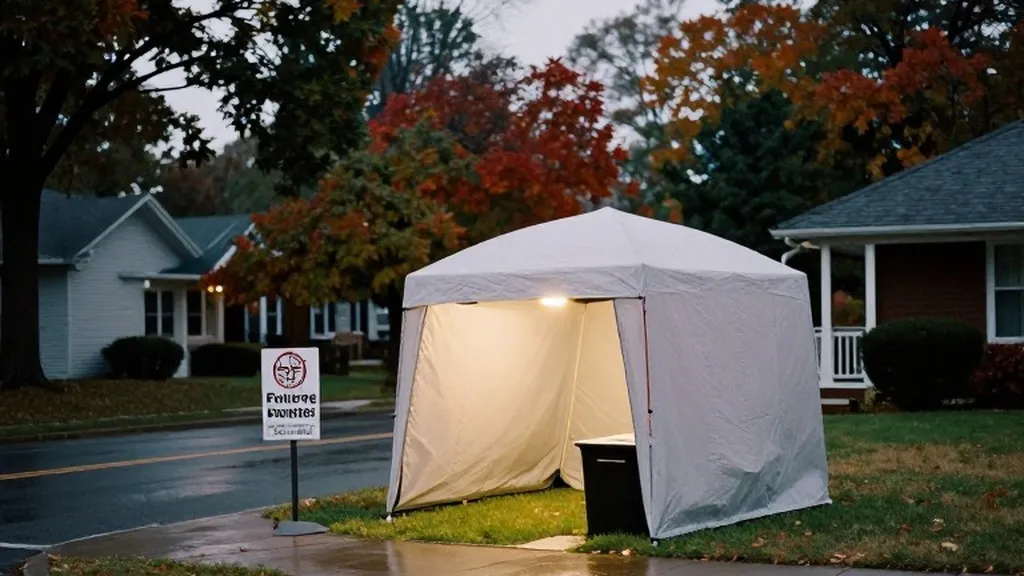
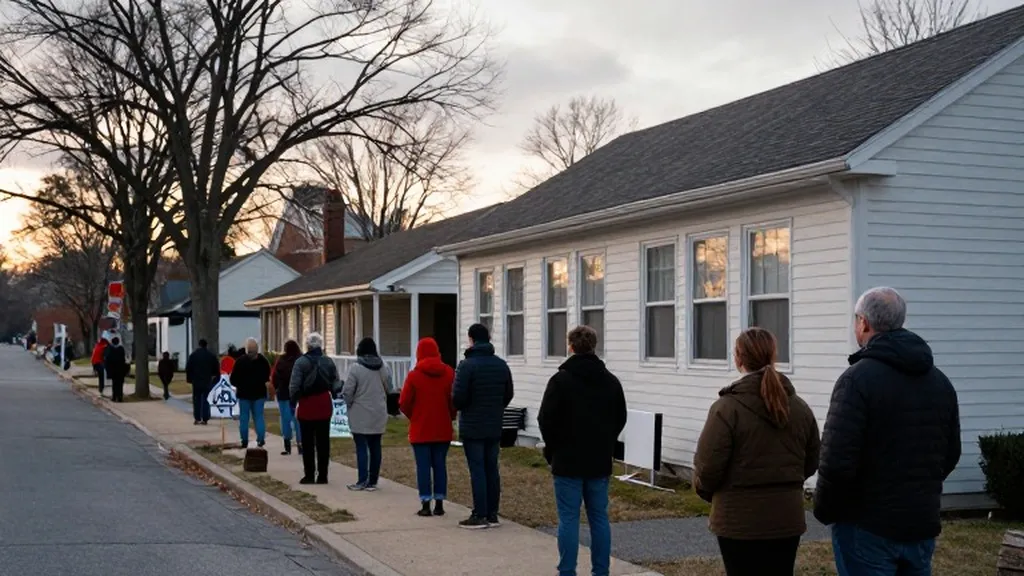
In Westchester County, polls opened at 6 a.m. Tuesday and will remain open until 9 p.m., allowing residents of Yonkers, New Rochelle, Mount Vernon, and White Plains to participate in the 2026 midterm election. According to Ballotpedia, every U.S. House seat in New York is on the ballot, alongside state and local offices. There is no U.S. Senate election in the state this year, but the governor's race is a key statewide contest with an open seat and no incumbent running. Voters in the county will also decide on various local measures and municipal positions that vary by town.
As voters head to the polls, the national backdrop is dominated by the sheer scale of financial resources deployed in this cycle. The Associated Press reports that the 2026 elections are likely to be the most expensive in history. This surge in spending has created a complex financial landscape where different levels of the Democratic and Republican parties have achieved different advantages. While the overall totals are being tallied, the flow of money into local races in Westchester reflects these broader national trends.
A distinct divergence exists between the fundraising success of party committees and individual candidates. According to AP analysis, Republican committees outraised and outspent their Democratic counterparts in the general election. This advantage was bolstered by support from Trump-affiliated groups and significant contributions from Elon Musk. However, at the candidate level, Democrats managed to outraise their Republican opponents. This split suggests that while the party machinery on the right has more resources for broad messaging, individual Democratic candidates have been successful in raising funds for targeted local appeals.
The allocation of this money has been heavily concentrated in areas where President Trump performed well in 2024. AP data indicates that 88.1 percent of Republican general election TV ad spending went to states and districts that Trump won in the previous election. Within that figure, more than $850 million was spent in districts where he won by 10 points or more. This strategy aims to lock in support in solidly Republican areas, potentially influencing the mood of voters in Westchester districts that lean toward the president's party.
In New York, the governor's race is particularly notable as an open seat with no incumbent on the ballot. Ballotpedia confirms that both Democratic and Republican parties have candidates on the ballot for this position. The race is part of a nationwide trend where Democrats are looking to gain control of more governorships. In other states, such as Georgia and Nevada, named matchups include former officials and business leaders, but in New York, the lack of an incumbent has opened the field for new faces to appeal to voters concerned with the state's fiscal direction.
Voters across the county are making decisions amid a national mood that the Associated Press describes as a referendum on the president's second term. Polling from AP-NORC shows that 35 percent of U.S. adults approve of Trump's job performance, while only 25 percent approve of his handling of the economy. About seven in 10 adults say the country is heading in the wrong direction. These national sentiments are likely to inform how Westchester residents vote in their local and state races, even as they focus on issues like housing and infrastructure.
The U.S. House of Representatives is fully up for election, with all 435 seats on the ballot. Democrats currently hold 214 seats and need a net gain of three districts to reclaim the majority. Republicans hold 218 seats and can afford to lose no more than two. In Westchester, the competitive nature of several House districts means that the local outcome will contribute to this national math. Candidates in the county are campaigning on issues that resonate with both the local community and the broader national narrative of cost of living.
Meanwhile, 35 seats in the U.S. Senate are also being contested, though no New York senator is up for election this cycle. The Associated Press notes that one or two seats could tip the balance of power in either chamber. In the House, Democrats are described as cautiously optimistic, while Republicans are bracing to lose control of the lower chamber. The outcome in Westchester will be one of many data points that determine whether the president's party retains its grip on Congress for the final two years of his term.
Election administration has also been a point of focus, with the U.S. Postal Service adding hours and staff to ensure mail ballots are counted on time. A federal judge temporarily barred the administration from a plan to prevent noncitizen voting, a move that critics say could affect eligible voters. In New York, the standard poll hours of 6 a.m. to 9 p.m. provide a wide window for residents to vote. Anyone in line when polls close is entitled to cast a ballot, ensuring that last-minute decisions in towns like White Plains do not go uncounted.
The financial intensity of this election is expected to have lasting implications for how future campaigns are funded. The Associated Press highlights that the gap between committee-level and candidate-level spending is a new dynamic that may reshape political strategy. As Westchester voters cast their ballots today, they are participating in an election where the cost of persuasion has reached historic highs. The final results will clarify whether the massive investment by Republican committees or the candidate-level advantage of Democrats had a greater impact on the outcome.
The day concludes with the closing of polls at 9 p.m., after which officials will begin the process of counting votes. With millions of early votes already cast and a heavy presence of mail-in ballots in many states, the final tally will take time. Westchester County's participation in this historic midterm will help determine the balance of power in a Congress that faces significant challenges, from economic oversight to legislative control. The money spent to get here will be a central part of the post-election analysis for months to come.