Wisconsin voters face three constitutional changes in Tuesday's election
UW-Milwaukee professor explains the options on partial vetoes, emergency rules for places of worship, and diversity initiatives.
By Megan Parker ·
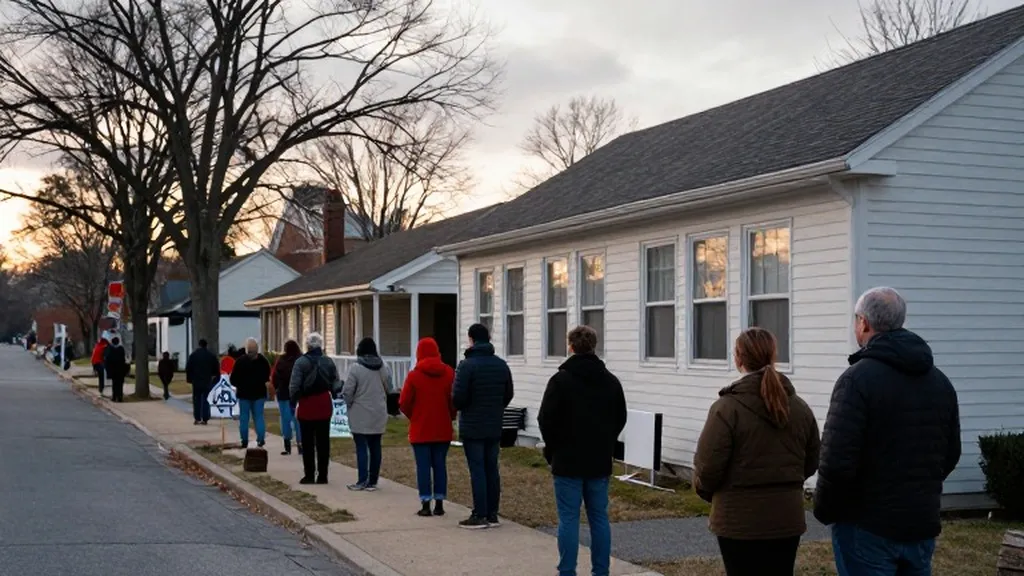
Wisconsin voters will decide on three state constitutional amendments during the Tuesday election. These measures address executive power, emergency protocols, and state hiring practices. The choices appear alongside the gubernatorial race on the ballot.
The first amendment targets the governor's ability to issue partial vetoes on monetary bills. A yes vote would narrow that power. A no vote would keep the current authority intact.
The second amendment concerns places of worship during a state of emergency. Approving the measure would allow these facilities to remain open while other public spaces shut down. Rejecting it would require them to follow the same closure rules as other public facilities.
The third amendment focuses on Diversity, Equity, and Inclusion programs. A yes vote would ban these programs across the state. A no vote would leave existing policies and practices unchanged.
Mordecai Lee, a political science professor at the University of Wisconsin-Milwaukee, offered guidance on how to cast these votes. He told CBS 58 that voters who favor reducing the governor's partial veto power should vote yes. Those who prefer the status quo should vote no.
On the worship amendment, Lee said voters who believe houses of worship should stay open during emergencies should vote yes. If they think these sites should be treated like other public facilities, he advised voting no.
Regarding the DEI amendment, Lee stated that voters who want a complete prohibition should vote yes. Those who think affirmative action can sometimes be beneficial for groups facing historical wrongs should vote no. He noted that voters do not need to be experts in constitutional law to make these decisions.
Source: CBS 58