BMW's new city driving tool aims to match Tesla in 2027
The automaker will roll out navigation-guided steering and braking in urban areas via software updates, starting in Germany.
By Megan Parker ·
BMW will begin offering a navigation-guided driving system for city streets in 2027, a move designed to compete directly with Tesla’s Full Self-Driving product. The rollout will start in Germany before expanding to other markets. The system will be delivered to select vehicles through over-the-air software updates rather than hardware changes.
The new feature allows the vehicle to steer, accelerate, and brake on both highways and local roads using built-in GPS navigation. In urban settings, the system assists with lane changes, turns, yielding to other traffic, and navigating roundabouts. On highways, drivers can remove their hands from the steering wheel. On local roads, however, drivers must keep their hands on the wheel at all times.
BMW classifies the technology as Level 2 driver assist. This designation means the system is partially automated and requires the driver to monitor the road and be ready to take over control immediately. The company states that the system works in cooperation with the driver. Users can steer, brake, or adjust speed at any moment without disabling the assistance feature.
The system uses cameras and sensors already installed in several current models, including the 3 Series, 7 Series, X5, iX3, and iX4. BMW’s next-generation Neue Klasse platform also incorporates this driver assist technology, partly powered by Qualcomm. The company says the system meets new European safety rules that permit automated driving moves on city streets.
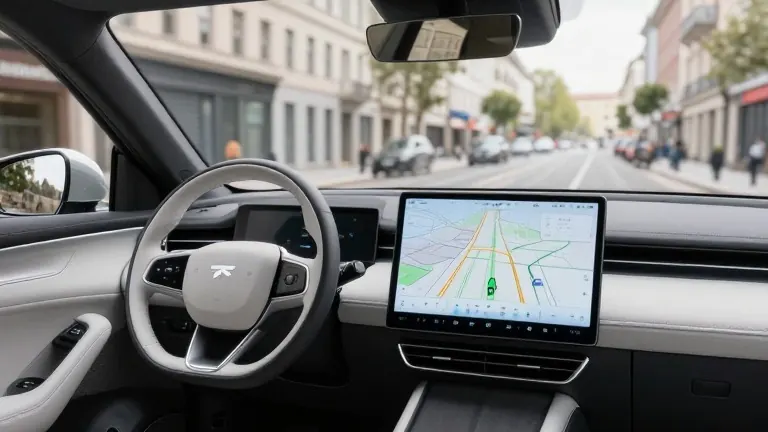
External experts have road-tested the setup and confirmed it meets technical standards. BMW expects final official government approval in early 2027. The vehicle’s heads-up display and main dashboard screen show a 3D map and indicate what the system sees and how it is reacting to traffic.
Safety researchers have raised concerns about the widespread adoption of Level 2 systems. They argue that drivers often over-rely on these features, leading to slower reaction times when they must take back control. Evidence suggests that regardless of the manufacturer, these systems can be less safe than standard human driving due to driver inattention.
BMW is emphasizing that the driver remains responsible for the vehicle while the system is active. This approach mirrors Tesla’s policy for its FSD feature. However, some Tesla customers have successfully argued in court that the company bears partial responsibility for crashes involving the system. BMW faces similar scrutiny as it introduces its urban driving capabilities.
Source: The Verge