Image to Video: Turning Travel Photos into Experiences People Can Feel
Creators in Westchester County are using AI tools to add subtle motion to existing travel photographs, enhancing atmosphere without requiring new shoots.
By Julian Reed ·
Travelers and tourism businesses in Westchester County are increasingly using image to video technology to transform static travel photographs into animated clips. This process allows creators to add subtle motion to existing images, such as moving clouds, rippling water, or shifting sunlight, without arranging new photo sessions. The goal is to preserve the character of a destination while introducing movement that feels appropriate to the scene.
Before animating a photograph, creators are advised to determine the specific mood of the destination. A busy night market requires different motion than a quiet lakeside retreat. For a peaceful beach image, gentle waves and slowly moving clouds reinforce a relaxing atmosphere. In contrast, a crowded street scene may benefit from movement among pedestrians or a gradual change in camera perspective to communicate energy. This approach prevents unnecessary animation by focusing on what makes the place memorable rather than just what is visible.
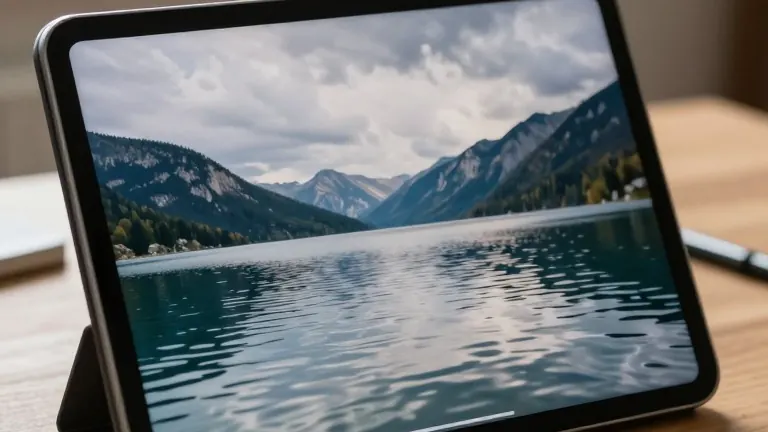
Natural elements in a photograph often provide the best starting points for motion. Water suggests ripples, trees suggest wind, and clouds offer opportunities for subtle changes in the sky. For example, in a photo of a narrow European street, buildings can remain still while sunlight shifts across the pavement or a distant pedestrian moves through the frame. This technique makes the scene feel alive without altering recognizable architecture. A mountain lake might only need small movements across the water to add atmosphere while preserving its stillness.
Protecting distinctive details is a critical part of the process. Travel imagery relies on recognizable features such as historic buildings, mountain ridges, or specific street layouts. Animation can sometimes distort these elements, causing buildings to bend or windows to change shape. Creators must decide which details must remain stable before generating a clip. If architecture is the main subject, limiting movement to the surrounding environment or using a gradual camera approach helps maintain accuracy. This is particularly important for tour operators and accommodation providers who need promotional imagery to represent real places accurately.
Camera movement also plays a key role in guiding the viewer's experience. Instead of animating objects within the photo, creators can use the camera itself to create a sense of discovery. A slow push toward a distant waterfall draws attention to its scale, while a gentle sideways movement across a seaside village reveals more of the setting. A gradual pullback from a campsite can show how it fits into the landscape. These movements work best when the direction is easy to understand, avoiding complicated paths that might distract from the destination or create distortions.
For a more comprehensive visual narrative, creators can arrange several animated clips to tell a story. A short feature about a countryside weekend might begin with an animated landscape, move to a local café, and finish with a quiet walking trail. Each clip reveals a different part of the experience. The sequence should have a logical order, starting with a wide view to establish the setting, moving to closer scenes to introduce local character, and ending with a memorable impression. Maintaining consistent movement styles throughout the sequence ensures the narrative feels coherent.
Once the animation is complete, creators must prepare the final video for its specific audience. Content intended for mobile feeds may require vertical framing, while website features work better in wide formats. It is essential to check that important landmarks remain visible after cropping. Creators should review the clip for distorted details or sudden changes that make the destination difficult to recognize. If the video promotes paid experiences, the generated motion must not imply features or conditions that are not actually present.
AI image to video generators offer various controls and output quality, allowing creators to experiment with different motion treatments. However, the results still require careful review to ensure the clip remains successful. A visually dramatic clip is not necessarily effective if it alters the features that identify the destination. By starting with the location's mood, using elements that suggest believable motion, and protecting recognizable details, creators can turn still photographs into engaging visual experiences.
Travel businesses in the region can use these animated photographs for social media posts, website visuals, and promotional concepts. Before commercial publication, they should verify that the imagery represents the actual destination accurately and check relevant licensing terms. Mixing animated photographs with carefully chosen still images can create a comfortable viewing rhythm, ensuring that animation is used only when it adds atmosphere or advances the story.
Source: Yonkers Times · original report published