Court rules California may count 20,000 contested mail ballots
The 9th Circuit denied the Trump administration's request to hold ballots allegedly cast by likely non-citizens, citing insufficient time for lower courts to review the case before the November 3 election.
By Julian Reed ·
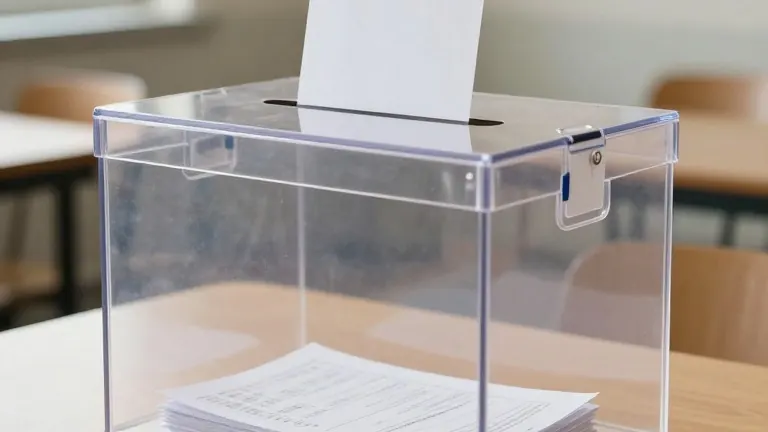
The 9th Circuit Court of Appeals ruled on Monday that California can proceed with counting approximately 20,000 mail-in ballots in the November 3 midterm election. The decision rejects a bid by the Trump administration to sequester the votes until after the election day.
The federal government filed its lawsuit against California on October 15, less than three weeks before the vote. The administration argued that the specific ballots were sent to individuals who are likely non-citizens and therefore ineligible to vote in federal elections. However, the government has not publicly disclosed the methodology used to create the list of potential non-citizens or to determine their ineligibility.
In a two-to-one decision, the appeals court determined that the Trump administration had not provided lower courts with adequate time to review the matter. The majority opinion stated that the administration sought to have a federal court dictate to a state legislature on issues within the state's traditional authority.
Judge Gabriel Sanchez wrote that granting the petition would invite disorder and confusion for both voters and election officials. He emphasized that election administration remains a state responsibility under the U.S. Constitution. The case will now return to a lower court, where a hearing is scheduled for Tuesday.
California officials and their legal team have challenged the administration's claims. In a court filing on October 20, lawyers for Secretary of State Shirley Weber described the litigation as a reckless political stunt. They warned that the lawsuit threatened to disenfranchise thousands of eligible Californians.
The Department of Justice has simultaneously sued 30 states and Washington, D.C., seeking full access to voter rolls containing sensitive personal data. The department argues this access is necessary to prevent fraud. To date, the administration has lost 26 of these cases and has not won any of the 30 suits.
Experts note that non-citizen voting is rare, with a July Reuters investigation finding only 129 federal charges for illegal voting since 1996. Many of those cases involved administrative errors rather than fraudulent intent. Last week, the administration charged 28 immigrants in California with illegally voting, though some accused individuals told the Los Angeles Times they were confused by the charges and believed they had never registered.
The midterm elections will determine which party controls Congress. Republicans currently hold slim majorities in both the House and Senate, while experts project the Democratic Party is on track for gains. Trump has repeatedly raised non-citizen voting as a threat to election integrity, a strategy that follows his 2020 loss to Joe Biden and subsequent claims of rigged elections.
Source: Al Jazeera