Midterm 2026: Cost of Living and Immigration Drive Voter Decisions in Swing States
Reporters from six key states detail how beef prices, local business costs, and federal enforcement are shaping choices in tight Senate and House races.
By Julian Reed ·
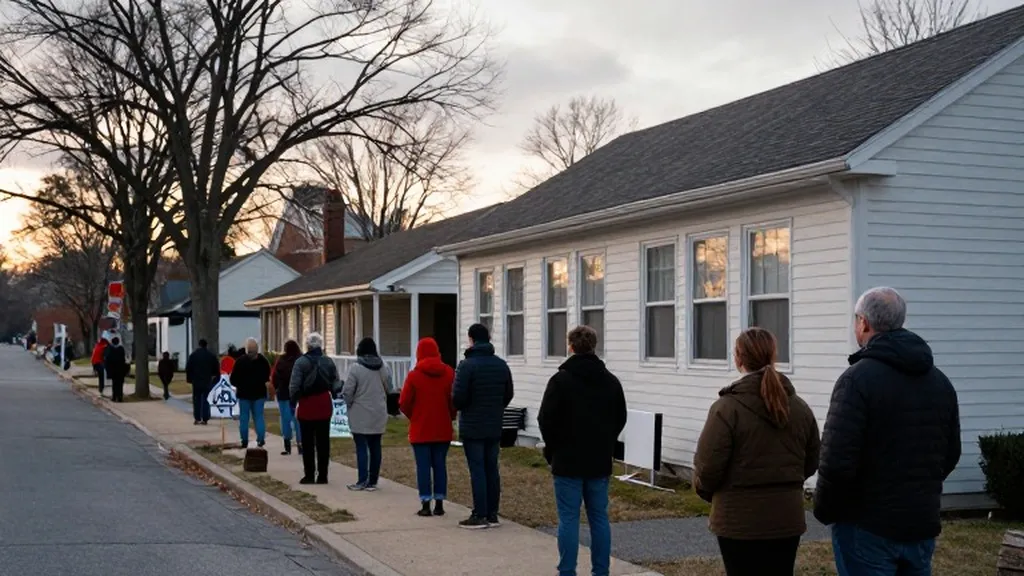
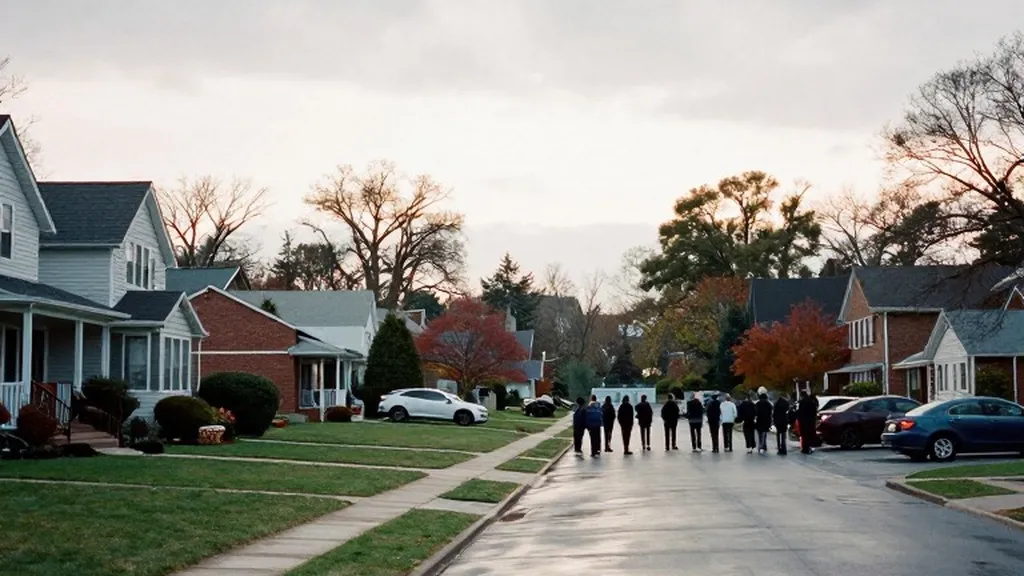
Election Day arrives today with campaign activity shifting from national rallies to local polling places in states where margins are expected to be razor thin.
Political analysts project that control of the Senate and House will depend on narrow outcomes in six pivotal states. Reporters spent the final weeks of October interviewing residents, business owners, and farmers in Maine, Texas, North Carolina, Georgia, Ohio, and Michigan to gauge which issues are driving turnout.
In Texas, rising beef prices have become a central economic concern for voters. A Martinez spoke with residents and agricultural workers about how higher costs at the grocery store and restaurant are affecting household budgets and influencing their party alignment. In rural North Carolina, Ryan Dunlap, a hardware store owner in Stokes County, expressed frustration over rising operational costs. He described a tension between his conservative business philosophy and the need to evaluate specific candidates for the upcoming vote.
Immigration policy remains a dominant factor in several states. In Lewiston, Maine, an Angolan asylum seeker who runs a local daycare kept her curtains drawn for months to avoid attention from Immigration and Customs Enforcement. Fadel noted that many voters in the state want change in the Senate, often prioritizing opposition to the Republican incumbent over support for the Democratic nominee. In Ohio, President Trump’s recent claims regarding Haitian residents in Springfield, which were quickly fact-checked, appear to have energized some residents to vote as a signal to the administration.
In Michigan, voters expressed fatigue with the current political dynamic. Michel Martin reported that some Black voters felt dissatisfied with how the Democratic Party communicated with them, while some Jewish voters questioned the tone of the Senate campaign. In Georgia, a voter in Marietta noted that while long-term economic recovery may be possible, many Americans currently feel that conditions are not improving quickly enough.
Campaigns in these states have concluded their final push for votes. The results from these six states will determine which party holds the majority in Congress following the November election.
Source: WUWF