Sudan factories operate at reduced capacity after wartime destruction
Khartoum manufacturers report heavy losses as the Ministry of Industry assesses damage to 1,800 facilities.
By Julian Reed ·
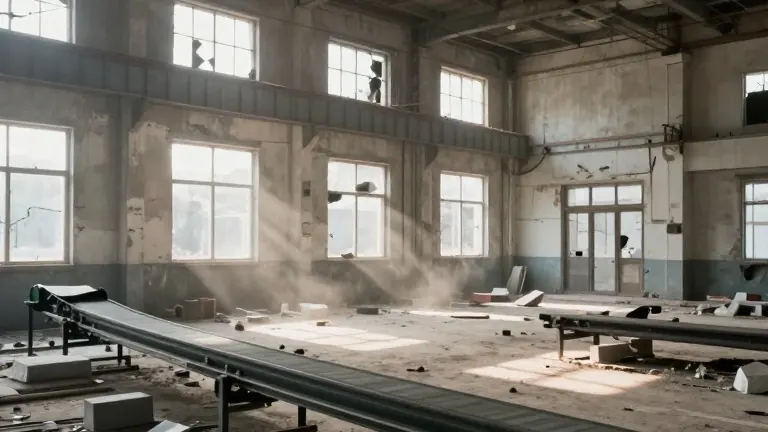
Mansour Gaily’s sweets factory in Khartoum has returned to production, but it currently runs at only 40 percent of its pre-war capacity. Gaily estimates his losses at $1 million, a figure that reflects the destruction of machinery, spare parts, and large sections of the building during the conflict.
The factory, which previously served local consumers and employed area workers, halted production in April 2023 when fighting began between the Sudanese Armed Forces and the Rapid Support Forces. While Gaily has chosen to continue operations despite limited capital and labor shortages, his situation mirrors that of many other manufacturers in the capital.
Sudan’s Ministry of Industry states that approximately 1,800 industrial facilities were damaged during the war. This total includes 650 factories that were completely destroyed. The ministry notes that Khartoum was a major industrial center before the conflict, producing food, textiles, and other consumer goods, but the area has not been rebuilt since the army fully recaptured it last year.
Abdulelah Mohamed, who owns a plastic products and recycling factory in Khartoum, describes the damage as catastrophic. He states that the damaging, destroying, and looting of factories was systematic. Mohamed argues that the industrial sector requires new planning and a vision to allow Sudan to produce goods again.
Sara Elfatih Khalil, chief executive of Al Teital Advance Industries, reports that her sesame oil factory remains shut down. The company previously employed 300 workers, but its warehouses were looted during the fighting. Khalil notes that less than 10 percent of factories in the sector are currently operational, and those that are open operate intermittently with high costs.
The disruption affects workers and consumers across the country. Mohamed Haj, a former worker at a sweets factory in Khartoum North, says he has struggled to find alternative employment since the war began. In Bahri Central Market, shopkeeper Abdelgadir Mohamed finds it harder to source locally manufactured stock. He notes that while some imported products are cheaper, many customers prefer Sudanese-made items like tahniya.
In August, a committee from the Ministry of Industry was established to assess the condition of industrial facilities in Khartoum State. The recovery plan aims to prepare incentives for factory owners and restore essential services such as electricity, water, roads, sewage, and waste management in industrial areas. Factory owners say this reconstruction will also require financial support and coordinated efforts from stakeholders to sustain economic recovery.
Source: Al Jazeera
More Business · Bad Service · Report a business · Got a Story?