Two-Week Truce Ends in Kherson After Evacuations and Street Life Return
A ceasefire negotiated by First Lady Melania Trump and Pope Leo XIV allowed residents to leave their shelters and evacuate the town of Oleshky before hostilities resumed on November 1.
By Chloe Wilson ·
From October 27 to November 1, the skies over Kherson were clear of drones and guided bombs for the first time in months. The temporary ceasefire allowed residents to walk the streets, visit cafes, and return to routines that had been suspended since Russian forces occupied parts of the region in 2022.
The truce was negotiated by First Lady Melania Trump and Pope Leo XIV. It covered a corner of southern Ukraine that includes the city of Kherson. The primary goal was to facilitate the evacuation of Oleshky, a town situated across the Dnipro River from Kherson. Russian troops occupied Oleshky in 2022 and mined the surrounding land. Supplies of food and medicine rarely reached the town. Residents reported surviving on pickles and boiled weeds.
During the five-day pause in fighting, hundreds of Oleshky residents were evacuated. Buses escorted them into northern Ukraine. Dmytro Lubinets, Ukraine’s ombudsman, thanked Trump for ensuring the ceasefire occurred. Lubinets stated that he believes such truces can be upheld and honored.
In Kherson, the change in atmosphere was immediate. Olena Soboleva and Anna Herasimenko, both 21, walked down the street together. They passed families strolling with children and couples holding hands. Soboleva noted the absence of explosions and the feeling that no one wanted to kill them. Herasimenko visited a salon and showed off fresh burgundy nail polish. She described the city as alive, similar to how it had been before the war intensified.
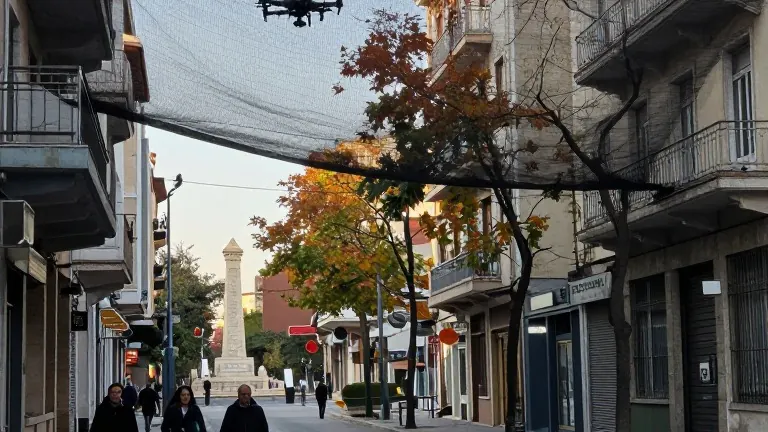
Russian troops had occupied Kherson for several months in 2022. Local partisans spied for Ukrainian soldiers, who then forced the Russian forces out. Since 2024, Russian troops based across the river have targeted residents with first-person-view drones strapped with explosives. The highway into the city is covered in heavy mesh nets, and these anti-drone nets also cover streets and buildings.
Svitlana Vorobiova, a retired police officer, drove to Kherson from a safer city. She took photos with her children at the Greek-style monument that marks the city’s gateway. Vorobiova said her voice broke as she explained that her parents still live in the city. She brought her son, who had not been in his hometown in four years. He expressed disbelief at being back in Kherson.
Volodymyr Mykolaienko, 66, strolled past the crushed remains of a former administrative building. Mykolaienko served as mayor of Kherson. He was arrested by Russian troops in early 2022 and held as a prisoner of war. He was freed in a prisoner exchange last year and returned to the city where his family lives. The truce allowed him to visit his father’s grave in a part of the city usually filled with drones. Mykolaienko said he prayed and thanked his father for his life.
Olena Yehorova, an oncology nurse, watched a man play folk music on an accordion at a busy bus stop. She said the truce was a relief that allowed people to breathe. However, she noted that residents still walk with caution because they cannot trust the Russians. She looked up at the sky, expecting new attacks to resume at any time.
The truce ended at night on November 1. The pause in hostilities marked a brief return to normal life for a city that has endured years of aerial bombardment and occupation.
Source: KPBS