Iran Prosecutes 1,895 People in Espionage Cases as Internet Cuts Persist
Judicial officials confirm active cases against nearly 1,900 accused spies, a figure that includes 94 media workers, while the country remains offline for 88 days.
By Megan Parker ·
Iranian authorities have opened active cases against at least 1,895 people on espionage charges, according to Judiciary spokesman Ali Kazemi. The count includes 94 media workers accused of cooperating with Israel or other hostile states. Kazemi provided the figures earlier this month as the country enters its third month without reliable internet access.
The surge in prosecutions follows two wars waged by the United States and Israel against Iran. Saeid Golkar, an associate professor of political science at the University of Tennessee at Chattanooga, argues that Tehran is exploiting these conflicts. He says the government mixes genuine counterintelligence fears with a wider effort to intimidate society. The killing of former Supreme Leader Ayatollah Ali Khamenei on February 28 demonstrated that the intelligence threat is real, Golkar noted.
Recent comments from Israeli officials have heightened domestic suspicions. David Barnea, who served as Mossad director until June 2026, spoke at a conference in Israel on October 22. He stated that he approved the entry of dozens of agents into Iran in the weeks before the 12-day war of June 2025. "I can't say that they are here with us. But they are there in Tehran, living their lives," Barnea said.
Barnea claimed that Israeli intelligence deliberately released footage of agents bearing a Mossad logo hours after the 2025 war began. This move led to thousands of arrests of people with no connection to the service. He said the agency tried to maximize arrests to protect its real operatives. Almost all of the agency's assets in Iran remained unidentified, he added.
Since the 2025 war, national security prosecutions have accelerated. The process now involves mass arrests, expedited trials, and long prison terms. Targets include alleged spies, but also protesters, journalists, lawyers, and religious minorities. Human rights organizations have documented coerced confessions and the denial of effective defense in these cases.
Police announced at least 21,000 arrests following the June 2025 war. At least 50,000 people were detained in connection with the January 2026 protests. Executions have also increased. The United Nations reported that at least 19 people were hanged in espionage-related cases between June and December 2025. Iran Human Rights recorded 16 espionage defendants executed from January to September 2026. Amnesty International reported at least 34 executions linked to the January protests by October 13.
Communication rules have hardened alongside the legal crackdown. Sending images or information to networks deemed hostile, such as BBC Persian, can result in 10 to 15 years in prison. When combined with other offenses, these charges can lead to "corruption on Earth" accusations, which carry the death penalty. Authorities have labeled Starlink terminals a "tool of war" and have tried to confiscate or jam devices smuggled into the country.
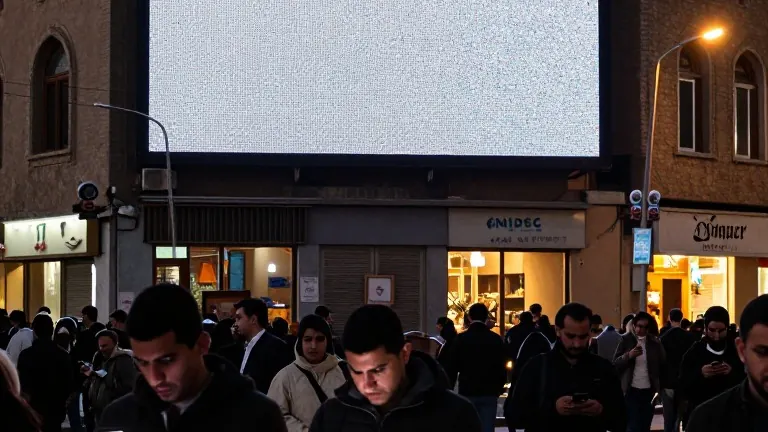
Iran imposed a near-total internet shutdown on 90 million people for several days during the 12-day war in 2025. The internet was offline for 20 days during the January 2026 protests. The current shutdown began at the start of the latest conflict and has now lasted 88 days.
Negar Mortazavi, a senior fellow at the Center for International Policy, agrees that Tehran has legitimate concerns about infiltration. However, she emphasizes the difference between spying and dissent. "There is a fundamental distinction between espionage and dissent," she said. Criticizing the government or engaging with foreign media does not automatically constitute espionage, she argued, yet authorities have increasingly blurred the two concepts.
Golkar argues that counterespionage has become a tool to protect the ruling establishment. He believes the Islamic Republic has become a security-dominated regime. In this system, even nonviolent dissent is treated as a potential threat to the state's survival.
Source: Al Jazeera