
Minnesota’s two-year drought cuts mosquito populations in half
Unusually dry weather has reduced standing water, leading to a sharp drop in mosquito numbers, though the long-term impact on dragonflies remains uncertain.
By Chloe Wilson ·
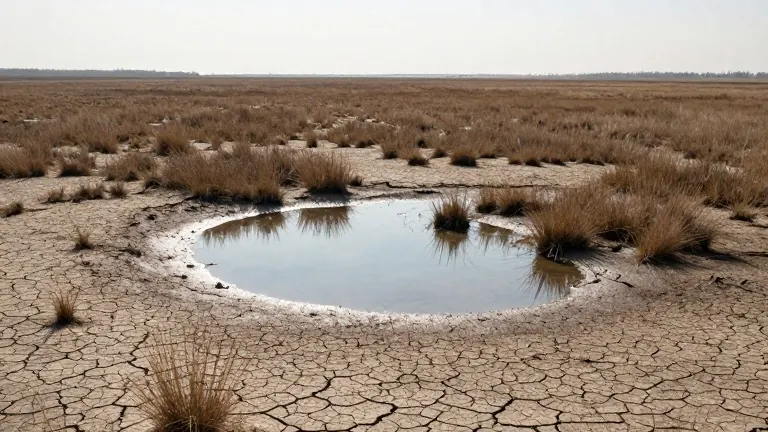
Peak mosquito populations in the Twin Cities area reached only half the long-term average this past summer. The Metropolitan Mosquito Control District attributes this sharp decline to an intermittent drought that has persisted across much of Minnesota for several years. Since January 2020, the state has accumulated a rainfall deficit of nearly 20 inches of precipitation. In the Brainerd lakes region, that deficit stands at approximately 10 inches. This lack of rain has directly reduced the standing water sources required for mosquito reproduction.
Female mosquitoes require standing water to lay eggs. Many species need at least five consecutive days of water to complete their larval stage. With less water available, the breeding cycle is interrupted, resulting in fewer adults emerging. Residents in the Brainerd area have noticed a marked difference in nuisance levels compared to recent years. The dry conditions have not just lowered numbers; they have fundamentally altered the local insect ecosystem.
Scientists have examined similar population drops in the past, often caused by chemical control efforts rather than weather. A 1999 study from the University of Minnesota investigated the effects of Bti and Altosid treatments on wetlands in central Minnesota. The researchers compared nine treated wetlands using Bti, nine using Altosid, and nine untreated control sites. Over the second and third years of the study, insect densities in treated areas dropped by 57% to 83%. Despite this reduction, the team found no measurable negative effects on zooplankton or breeding bird populations.
The researchers noted that a 70% predation rate on bird nests likely had a greater impact on bird numbers than the reduced mosquito supply. This finding aligns with the general understanding that mosquitoes constitute only a small portion of a bird's diet. Birds typically feed on larger, more nutritious insects. However, the situation differs for predatory insects that rely heavily on mosquitoes as a food source.
A more recent study from southern France suggests dragonflies and damselflies are more vulnerable. Researchers in that study compared three treated areas with three untreated areas over five years. They found approximately half as many dragonflies and damselflies in the treated zones. Their statistical analysis determined that Bti treatment accounted for 87.3% of the explained variation in these population declines. If this pattern holds for drought-induced reductions, local dragonfly populations may face similar pressures this year and next.
The dry weather has also raised questions about disease transmission. Fewer mosquitoes does not eliminate the threat of West Nile virus. As water sources dry up, both mosquitoes and birds concentrate around the remaining pools. This concentration can increase the rate of virus transmission from mosquitoes to birds. The Culex species, which primarily carry West Nile virus, thrive in warm, stagnant water that remains during dry spells. Other mosquitoes transmit heartworms, which primarily threaten dogs but can also infect cats and other mammals.
Experts say the drought could continue to affect mosquito numbers next year if wetlands do not refill over the winter. Minnesota has over 50 mosquito species, with about 20 that regularly bite humans. Eggs from some species can survive winter in soil and leaf litter. If significant precipitation arrives by spring, dormant eggs can hatch quickly when temperatures rise. In southeast Minnesota, heavy rain in the latter half of this summer caused dormant mosquito populations to rebound rapidly. Residents are advised to keep repellents ready for the next season.
Source: Brainerd Dispatch