
Deputized officers outnumber ICE agents by 2.5 to 1
A new analysis shows 29,000 local officers were deputized for immigration enforcement between January 2025 and October 2026, exceeding the agency's direct staff count.
By Megan Parker ·
More than 29,000 state and local officers were deputized by Immigration and Customs Enforcement between January 2025 and October 2026. That figure is 2.5 times the number of deportation officers directly employed by the agency, which stands at 11,600. The surge in partnerships was detailed in a report released by the immigration reform advocacy group FWD.us.
The data comes from the federal 287(g) program, which allows local law enforcement to act as immigration agents. FWD.us analyzed public records from ICE and information obtained by the Deportation Data Project, a research group based at UC Berkeley and UCLA. Felicity Rose, vice president of research and policy at FWD.us, noted that the program has become a central component of the current administration's enforcement strategy.
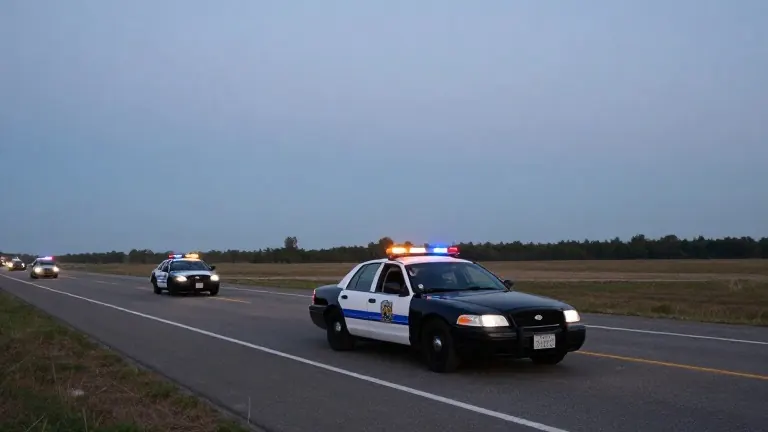
Rose described the shift in tactics to NPR. "These state and local officers are a key lever in the administration's quieter approach to enforcement," she said. "They're trading what used to be splashy urban surges, which we saw in Chicago and Minneapolis, for just routine highway stops now under the 287(g) program."
The most aggressive form of these agreements, known as the Task Force Model, grants local police the power to make immigration arrests. In exchange for maintaining active participation in enforcement activities, these agencies receive funding for vehicles, equipment, and other resources. The Department of Homeland Security has cited 287(g) as a vital tool for reducing crime and illegal immigration.
Florida and Texas led the national trend, with their combined forces responsible for roughly half of the 47,000 immigration arrests made under the program between January and August 2026. Governors in both states mandated that local police sign the agreements. However, states not traditionally associated with aggressive enforcement also saw sharp increases in deputized activity.
In Wyoming, deputized officers conducted 77% of the state's immigration arrests in April 2026 and over 60% each month since November 2025. New Hampshire saw a similar spike, with the program accounting for 60% of arrests there in June 2026. Oklahoma's Highway Patrol signed all its troopers into 287(g), giving them authority to make immigration arrests on state highways. Gabriela Ramirez-Perez, an immigration policy analyst with the Oklahoma Policy Institute, said this has caused residents to alter their daily routines to avoid driving. "Even though Oklahoma may not be in the headlines, it's definitely a hotspot for immigration enforcement," she said.
Financial incentives appear to drive the expansion. The Justice Department offered $3 billion in funding to state and local agencies that join the program earlier this summer. Florida has already provided hundreds of millions in additional funds to participating law enforcement agencies. Rose stated that the promise of money is a primary driver behind the surge and expects more partnerships to form.
Source: NPR